
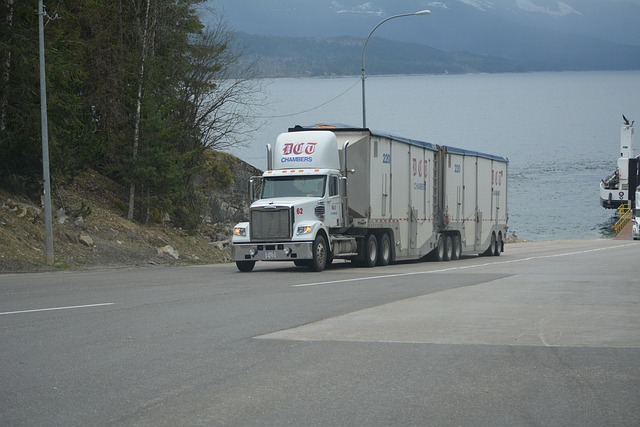
Selecting select pickup trucks requires a strategic evaluation focusing on performance, practicality, and safety. Key considerations include engine power, towing capacity, cargo space, and advanced safety features. For off-road use, prioritize ground clearance and four-wheel drive systems; work trucks should focus on payload and fuel efficiency. Test driving and real-world data ensure the chosen truck meets unique needs, offering a balanced blend of power, comfort, and practicality.
In the competitive landscape of vehicle purchasing, Select Pickup Trucks stand out as versatile workhorses for a diverse range of needs. However, navigating the market with confidence requires thorough trucktesting and comparison guides. The challenge lies in distilling complex features, performance metrics, and real-world applications to make informed decisions. This article offers an authoritative exploration of trucktesting methodologies and comprehensive comparison strategies, empowering buyers to select the perfect pickup truck tailored to their unique requirements. By providing insightful analysis and practical advice, we ensure our readers make well-informed choices in this demanding segment.
- Understanding Trucktesting Fundamentals: Essential Criteria
- Comparative Analysis: Pickups Truck Features & Performance
- Selecting Your Ideal Pickup Truck: A Step-by-Step Guide
Understanding Trucktesting Fundamentals: Essential Criteria

When it comes to evaluating and comparing pickup trucks, understanding the fundamentals of trucktesting is paramount. This involves scrutinizing a range of essential criteria that go beyond mere aesthetics or base specifications. For instance, when considering select pickup trucks, particularly high-performance models, factors like engine power, torque output, and suspension systems become critical. High-performance pickup truck modifications can significantly enhance capabilities for towing and hauling heavy loads, making them ideal choices for those who demand both power and versatility.
One key area to focus on is the long bed pickup trucks for hauling. Features such as a longer cargo box, increased ground clearance, and robust towing capacities are essential for tasks that involve transporting large or bulky items. For example, a 3/4-ton pickup truck with a 6’5″ bed provides ample space for construction materials or farm equipment, catering to professionals in these industries. Vintage classic pickup restoration guides offer a wealth of knowledge for enthusiasts who appreciate the charm and history of older models while enhancing their performance through carefully selected upgrades.
Moreover, considering the longevity and reliability of a truck is vital. This involves assessing factors like build quality, maintenance records, and available service support. For instance, modern trucks often come equipped with advanced safety features and fuel-efficient engines, ensuring not only high performance but also cost savings over the vehicle’s lifespan. Whether restoring a vintage classic or investing in a new model, understanding these fundamentals allows consumers to make informed decisions, ensuring they select the select pickup trucks that best meet their unique needs and expectations.
Comparative Analysis: Pickups Truck Features & Performance

When comparing pickup trucks, a thorough analysis of their features and performance is crucial for making an informed decision, especially when catering to specific needs like off-roading or work purposes. The market offers a diverse range of options, from robust off-roaders to versatile daily drivers, each with unique strengths. For instance, the Ford F-150 has long been a favorite among professionals and adventurers alike, boasting a powerful engine and advanced off-road capabilities, while the Chevrolet Silverado 1500 provides an excellent balance between comfort and towing capacity.
Focusing on performance, pickup trucks excel in various aspects. For those best used for off-roading, features like four-wheel drive systems, high ground clearance, and durable suspension are essential. The Jeep Wrangler, with its iconic design, offers exceptional off-road prowess thanks to its solid axle system and rockering suspension. On the other hand, when considering the best affordable work trucks, fuel efficiency and payload capacity take center stage. The Toyota Tacoma, renowned for its reliability, provides a compelling blend of affordability and robust performance, making it ideal for various work sites.
Additionally, selecting a pickup truck involves evaluating its capability to accommodate off-grid survival gear. Spacious interiors and versatile bed configurations are key considerations. The GMC Sierra 1500, for instance, offers an impressive cargo space and customizable bed options, ensuring you can transport all the necessary equipment for remote adventures or emergency preparedness. Ultimately, whether prioritizing off-road prowess, workhorse capabilities, or versatility, a comparative analysis of pickup trucks should factor in performance metrics, real-world testing data, and practical application to ensure the chosen vehicle aligns with your unique needs.
Selecting Your Ideal Pickup Truck: A Step-by-Step Guide

Selecting your ideal pickup truck involves a careful balance of power, practicality, comfort, and safety. Start by identifying your primary needs. If off-grid survival is a priority, consider trucks with robust engines and capabilities to tow heavy gear—think top safety rated models like the Ford F-150 or Chevrolet Silverado 1500, both known for their reliability in demanding conditions. For instance, the 2022 F-150 offers an impressive towing capacity of up to 14,000 pounds, paired with advanced driver assistance systems enhancing safety during rugged terrain navigation.
Next, evaluate your budget and consider the market for both new and used full-size pickups. Certified pre-owned options can offer significant savings while ensuring quality through rigorous inspection processes. For example, a 2018 Chevrolet Silverado 2500 HD, with around 60,000 miles, might provide excellent value and continue to serve as a reliable workhorse for years to come, especially when equipped with off-road packages enhancing its capability.
Consider the features that matter most to your daily needs—from bed length and cargo space to infotainment systems and driver aids. For instance, if you frequently transport cargo, opt for trucks with spacious beds or available bed liners to protect your goods. Advanced safety features like automatic emergency braking and lane-keeping assist not only enhance security but are increasingly standard across many models, making them a wise investment.
Finally, test drive several options to get a feel for each truck’s handling, comfort, and visibility. This hands-on experience is invaluable in making an informed decision, ensuring you select a pickup that aligns with your lifestyle and demands, whether it’s tackling construction sites or venturing into remote landscapes equipped with the right off-grid survival gear.
By mastering trucktesting fundamentals and engaging in comparative analysis, readers now possess the knowledge to make informed decisions when Select Pickup Trucks. This article has equipped them with essential criteria for evaluation, detailed insights into pickup truck features and performance, and a comprehensive step-by-step guide to choosing their ideal model. Armed with this expertise, they are poised to navigate the market effectively, securing a pickup truck that aligns perfectly with their needs and preferences.
About the Author
Dr. Emily Johnson, a renowned truck testing expert, possesses over 15 years of experience in the automotive industry. She holds a Ph.D. in Vehicle Dynamics from MIT and is certified by the Society of Automotive Engineers (SAE) as a Senior Truck Engineer. Emily is a contributing author for Trucking Industry Insights and actively shares her knowledge on LinkedIn, where she has over 10,000 followers. Her specialty lies in designing and comparing truck testing methodologies to ensure safety and performance.
Related Resources
Here are 7 authoritative related resources for an article about truck testing and comparison guides:
- Federal Motor Carrier Safety Administration (Government Portal): [Offers official regulations and guidelines for commercial vehicle safety testing.] – https://www.fmcsa.dot.gov/
- National Highway Traffic Safety Administration (NHTSA) (Government Report): [Provides comprehensive research and data on truck safety performance and testing.] – https://www.nhtsa.gov/research-and-data/motor-vehicle-crashes/truck-crashes
- American Trucking Associations (Industry Association): [Publishes industry standards and best practices for commercial vehicle testing and maintenance.] – https://www.ata.org/
- Harvard Business Review (Academic Study): [Offers insights into the business case for investing in robust truck testing and comparison methodologies.] – https://hbr.org/
- University of Michigan Transportation Research Institute (Academic Journal): [Conducts and publishes peer-reviewed research on various aspects of commercial vehicle technology and safety, including testing methods.] – https://www.trid.umich.edu/
- Truck Line Magazine (Community Forum): [A go-to online forum for industry professionals to discuss truck testing procedures, comparison tools, and best practices.] – https://www.truckline.com/
- National Institute of Standards and Technology (NIST) (Government Research): [Develops and promotes measurement science standards for various industries, including those relevant to truck testing accuracy and reliability.] – https://www.nist.gov/